What Type of Furniture is Used in School Environments: An Exploration

Classroom furniture setup with tables and chairs arranged in rows.

Classrooms, libraries, labs, and playgrounds all rely on functional furniture adapted for daily student needs. These pieces aren’t just decorative; they support learning, meals, play, and growth.

Unlike home or office items, educational furniture withstands intense daily use, prioritising robust construction. This distinction goes beyond mere strength; educational furniture is purposefully designed to:

  • Facilitate specific learning activities.
  • Support student posture.
  • Foster interaction in ways that typical furniture does not.

School furniture manufacturers play a key role in developing these purpose-driven designs, ensuring they meet the evolving needs of students and educators.

Additionally, practicality in design and essential safety features like rounded edges are needed to protect younger users. From reading nooks to science benches, carefully chosen educational furniture fosters positive learning environments, impacting focus, collaboration, and well-being.

Now that we understand the basics, let’s begin by examining the specific types of furniture commonly found in classrooms and how they support learning activities.

Furnishing Classrooms for Effective Learning and Teaching

Classroom furniture creates dedicated spaces where students can focus and learn effectively, thanks to considered design choices. Desks and chairs form the cornerstone of these environments, carefully selected to support each pupil’s size and academic age bracket.

Ergonomic design principles ensure proper sitting posture, sustained comfort, and better concentration during lessons. These benefits stem from:

  • Students’ desks (single, shared, and adjustable options) are often constructed with MDF combined with metal framing—robust pairings engineered for durability and long-term classroom use.
  • Multifunctional desks for teachers accommodating lesson planning materials, marking trays, and essential resources like curriculum charts.
  • Whiteboards and pinboards at the classroom front enable visual explanations for diverse topics through diagrams and annotations.
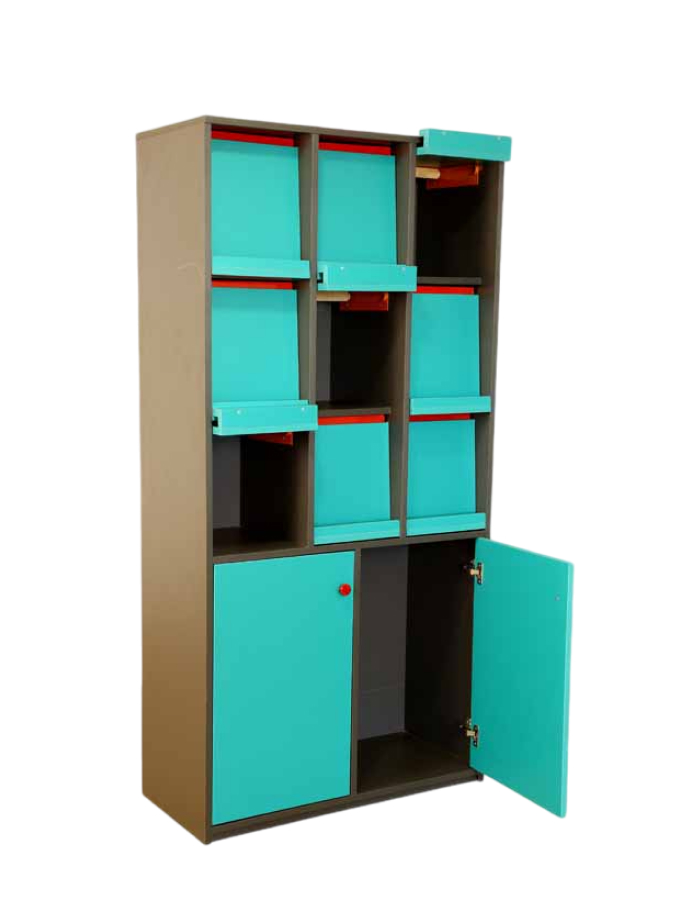
  • Storage solutions, such as shelves and cabinets, come with features for different ages.

While classrooms form the core learning spaces, other areas like libraries also require carefully selected furniture to support different educational activities.

Creating Inviting Library Spaces for Study and Reading

Imagine walking into a library designed like an intellectual playground—this vision starts with strategic furniture selection. Effective space utilisation is key for school libraries.

Shelving, for instance, acts as your foundation and first line of defence—units crafted from sturdy metal offer essential durability for heavy bookloads. Furthermore, height-adjustable shelving accommodates various formats, from picture books to reference volumes, while dedicated display units showcase new arrivals and encourage browsing. Explore options like space-saving wall-mounted shelving or versatile freestanding units, depending on your library layout.

Consider your learners’ needs through distinct zones:

  • Reading Havens

    Create cosy spots for relaxed reading using comfortable library seating. Think clusters of bean bags and plush reading chairs, ideally positioned near natural light.

  • Focus Fortresses

    For tasks requiring deep, quiet concentration, individual study carrels are invaluable. Models with frosted glass partitions excel at minimising distractions.

  • Collaboration Hubs

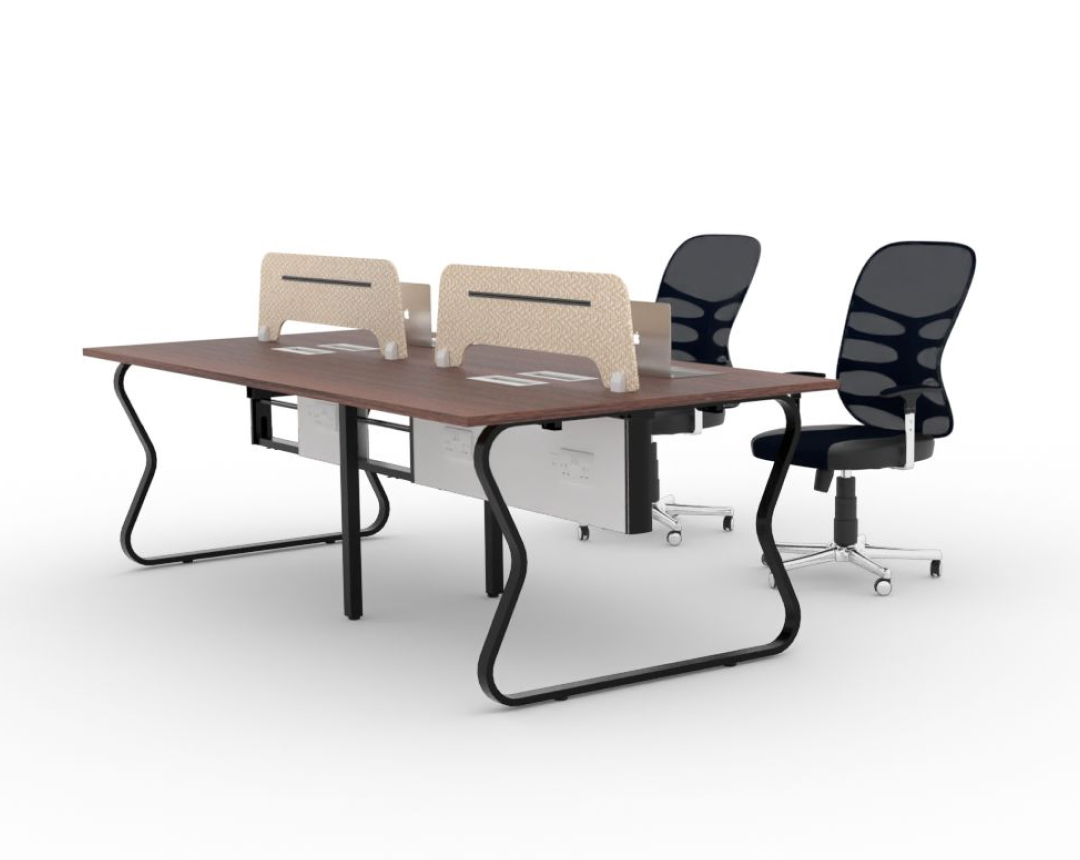
    Facilitate group studying and projects with larger reading tables designed for teamwork, minimising distractions. Consider models with integrated charging ports to support digital learning.

  • Circulation Desk

    This is another crucial station. This central hub must meet local accessibility guidelines and be designed thoughtfully for efficient staff workflow and easy student interaction.

Prioritise materials offering longevity and ease of maintenance—key concerns for facility management, such as scratchproof surfaces and durable, easy-to-clean upholstery—ensuring your investment supports learning effectively for years to come.

Beyond the library’s quiet zones and collaborative hubs, specialised areas like science labs also require carefully selected furniture to function effectively. Let’s explore these next.

Also Read: Choosing Appropriate School Furniture Made Easy

Deciding on Furniture for Specialised Areas

Just as playgrounds demand durable swings, understanding what type of furniture is used in schools’ specialised learning spaces, like labs, music rooms, and art rooms, is crucial—these areas require carefully designed solutions.

For Science Labs

  • Lab benches with chemical-resistant surfaces like epoxy provide non-porous workspaces where spills won’t warp the surface during experiments. These sturdy bases support students working in safety, whether they’re standing to observe reactions or perched on adjustable lab stools for precise tasks.
  • Secure storage is critical for volatile chemicals. Lockable, ventilated chemical cabinets ensure dangerous substances remain safely contained.

Furthermore, ensuring compliance often involves checking that lab benches incorporate necessary safety features like integrated gas/water connections where applicable and utilise fire-resistant materials, and that tall storage units are secured with anti-tip devices.

For Art Rooms

Art rooms need robust furniture to withstand creative mess. Large work tables accommodate sprawling projects, while wipe-clean surfaces maintain cleanliness between classes.

Alongside these tables, appropriate seating like stools allows flexibility, while specialised storage such as drying racks and cabinets is essential for managing supplies and finished work.

For Music Rooms

Consider music programmes’ unique demands:

  • Posture-promoting chairs prevent slouching during extended rehearsals.
  • Adjustable music stands cater to the varying heights of growing students.
  • Dedicated instrument storage racks keep musical instruments protected yet accessible between lessons—an essential investment for preserving quality sound equipment.

From science’s practical needs to art’s expansive surfaces, each space thrives when its specialised furniture aligns with educational purpose. Beyond indoor classrooms, even outdoor spaces warrant careful consideration for their unique requirements—we’ll explore these adaptable solutions next.

Selecting Furniture for Outdoor and Multipurpose Spaces

When considering what type of furniture is used in schools, it’s essential to look beyond classrooms and labs; outdoor areas and versatile multipurpose spaces require furniture specifically tailored to their unique demands.

For outdoor zones in schools, like canteen areas, furniture that can withstand daily wear and weather exposure is required. Stainless steel canteen furniture, designed for durability and easy maintenance, is an ideal choice. With corrosion-resistant frames and sturdy construction, these tables and seating solutions offer long-term value, making them perfect for creating comfortable spaces for eating, socialising, or outdoor activities.

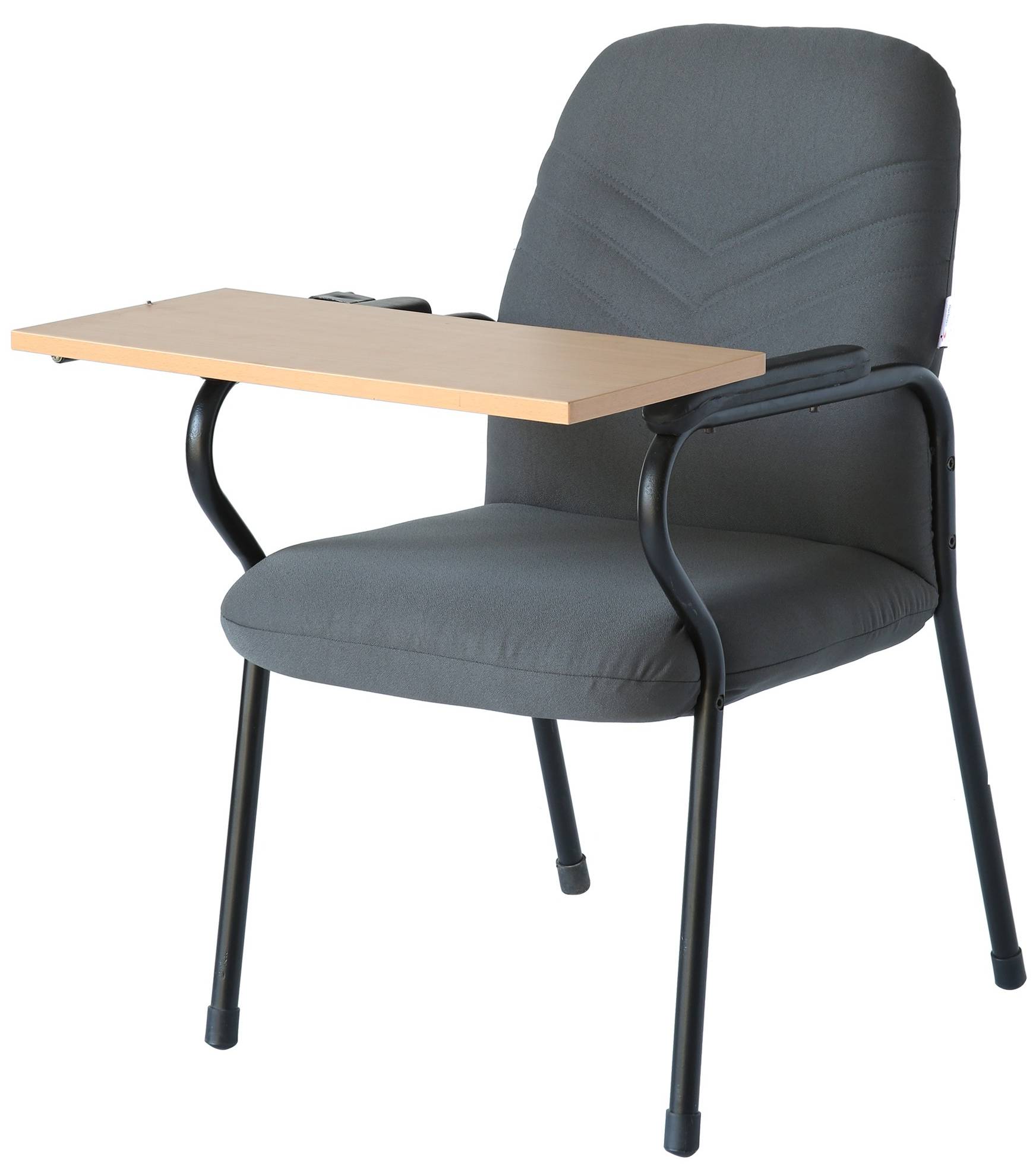
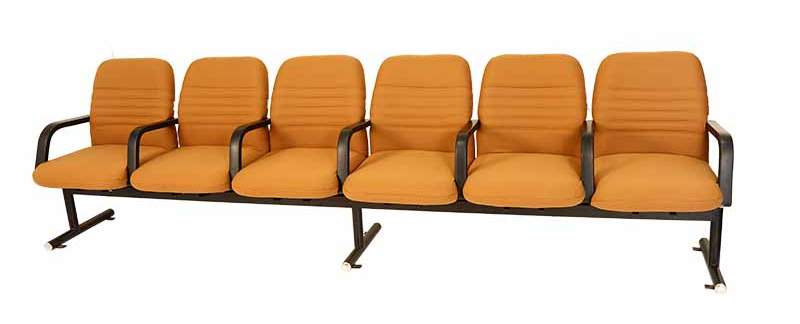
Multipurpose spaces like school halls and auditoriums benefit greatly from durable, comfortable fixed seating solutions. Auditorium chairs, featuring cushioned seats, sturdy frames, and optional integrated writing tablets, are designed to support long sessions with ease. These seating options provide a professional look while ensuring students and guests remain comfortable during events such as assemblies, lectures, and performances.

Ultimately, selecting furniture for these dynamic environments involves striking a balance between immediate functional needs and long-term value. Choosing materials and designs that withstand frequent use while supporting evolving activities ensures these spaces serve your school community effectively for years to come.

Choose the Right Furniture for Your School’s Needs

Effective learning environments rely on purpose-built furniture designed for educational goals. Durability forms the cornerstone of these choices. Equally crucial is ergonomics, with height-adjustable chairs supporting proper posture during long lessons.

At Inspace School Furniture, Chennai, we ensure access to furniture solutions that match your unique student needs and budgetary considerations. We transform your school into a child-friendly, colourful, and engaging environment where children have unforgettable learning experiences.

Equip your school with our customised furniture for effective learning. Connect with our team today to discuss your customisation requirements.

Inspace School furniture is known in Chennai and beyond for things. We manufacture and supply furniture for all educational institutions. We also make products from kindergarten to university level.
Location MapDownload Brochure